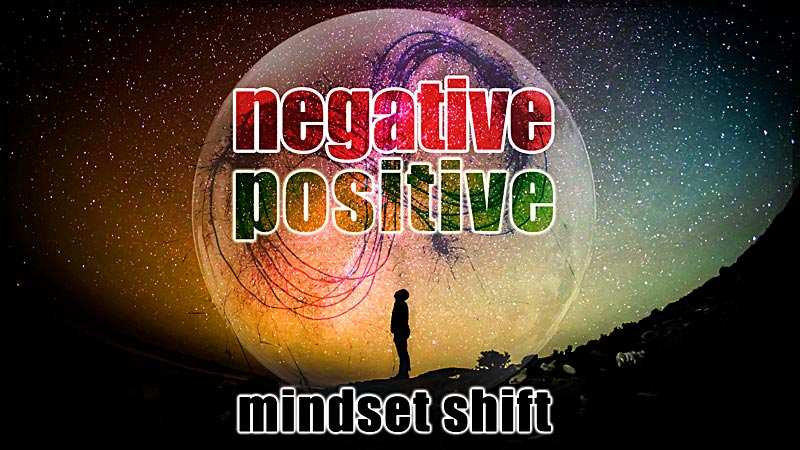
Discover How Small Emotional Shifts Can Transform Your Mindset
The reality is: Negative thoughts affect everyone’s relationships and Daily Life.
These include stress, disappointment, fear, criticism, uncertainty, and frustration, which can quietly influence how we think, feel, and respond to everyday situations.
While we can’t always control what happens around us, we can learn to control how we respond. That is where positive emotions become incredibly powerful. Positive emotions don’t ignore life’s challenges or pretend everything is perfect.
Instead, they give you the mental and emotional strength to face difficulties with greater clarity, resilience, and confidence.
Every positive emotional choice you make gradually weakens negative thinking patterns and strengthens healthier ones.
Small emotional shifts over time can help you develop lifelong habits. If you have ever wondered how to stop negative thinking, build emotional resilience, or create a healthier mindset, you are in the right place.
This post offers research-backed strategies to turn negative emotional reactions into positive responses, improving well-being, relationships, confidence, and your overall outlook on life.
Key Takeaways: Shift into Positive Emotions to Overcome Negativity
- Positive emotions can help interrupt negative thinking patterns.
- Your brain can develop new emotional habits through repetition and practice over time.
- Small daily emotional choices often create significant long-term change.
- Establish new habits of expressing gratitude, kindness, acceptance, joy, forgiveness, and love to strengthen emotional resilience.
- Learn Emotional intelligence to respond more appropriately and thoughtfully, rather than react impulsively.
- Daily consistent practice creates a healthier mindset that benefits every area of life.
Have You Ever Wondered Why Our Brains Naturally Focus on Negativity?
Have you ever noticed how one criticism can outweigh ten compliments?
Or how a stressful event can stay with you long after a pleasant experience has faded?
This happens because of something psychologists call the negativity bias.1Verywell Mind – What Is the Negativity Bias?
- Our brains naturally focus on negativity.
- Evolutionary survival mechanisms.
- Why criticism often outweighs compliments.
Our brains evolved to notice danger before comfort. Thousands of years ago, recognizing threats quickly helped humans survive.
Today, that same survival mechanism often causes us to focus on problems, mistakes, disappointments, and worst-case scenarios.
While this response once protected us from physical danger, it can now leave us feeling overwhelmed, anxious, or emotionally exhausted.
The encouraging news is that our brains remain adaptable throughout life.
The human brain can adapt through a process known as neuroplasticity, allowing us to strengthen healthier thinking patterns through regular positive emotional experiences.2Neuroplasticity: The brain can develop healthier thinking patterns.
Repeated thoughts strengthen neural pathways. Emotional habits can change over time. Source: Cleveland Clinic – Neuroplasticity
Instead of allowing negativity to dominate your thoughts, you can intentionally cultivate emotions that support growth, confidence, and resilience.

The Difference Between Reacting and Responding
Most emotional reactions happen automatically.
- When someone criticizes you.
- When Traffic delays your plans.
- When a relationship becomes difficult.
- Or an unexpected bill arrives.
Without thinking, frustration, worry, or anger may immediately appear.
Responding instead of reacting is different.
Responding creates a brief pause between the event and your emotional reaction. Within that pause lies your greatest personal power.
Rather than simply reacting on impulse, you can choose your response.
- Curiosity over judgment.
- Compassion over criticism.
- Patience over frustration.
- Gratitude over resentment.
Every positive response reinforces new emotional connections in your brain. Over time, responding becomes easier than reacting.
Negative Emotion vs. Positive Replacement
The table below highlights common emotional shifts that can help interrupt unhelpful thought patterns and encourage healthier responses.
These are not meant to suggest that negative emotions are “bad” or should be suppressed. They provide examples of positive emotional states that you can intentionally cultivate after acknowledging and processing your feelings.
Key Insights about comparing Negative Emotions with Positive Replacements
Emotional transformation doesn’t require pretending negative emotions don’t exist. Emotions such as fear, anger, sadness, and disappointment often provide valuable information about unmet needs, boundaries, or challenges.
The goal is to acknowledge these emotions, understand their message, and consciously choose a response that supports your long-term well-being.
By making small, consistent emotional mindset shifts, you can gradually change thought patterns, strengthen relationships, lower stress, and build resilience.
Over time, replacing reactive emotional patterns with intentional responses becomes easier, creating a more balanced and fulfilling life.
Remember: You cannot always control what happens to you, but you can learn to influence how you respond.
Each positive emotional choice is a small investment in your future happiness and emotional wellbeing.
| Negative Emotion or State | Positive Replacement | Why the Shift Matters | Simple Daily Practice |
|---|---|---|---|
| Anger | Kindness | Kindness reduces hostility and encourages understanding. | Perform one unexpected act of kindness today. |
| Judgment | Acceptance | Acceptance helps reduce criticism of yourself and others. | Pause before judging and ask, "What else could be true?" |
| Fear | Courage | Courage allows action despite uncertainty. | Take one small step toward something you've been avoiding. |
| Resentment | Forgiveness | Forgiveness frees emotional energy tied to past hurts. | Write down what you're ready to let go of. |
| Scarcity | Gratitude | Gratitude shifts focus from what's missing to what's already present. | List three things you're thankful for every morning. |
| Worry | Trust | Trust reduces constant mental stress about the future. | Focus only on what you can control today. |
| Anxiety | Calm | Calm thinking improves decision-making and resilience. | Practice five minutes of slow, deep breathing. |
| Doubt | Confidence | Confidence encourages progress and personal growth. | Recall three past successes before beginning a challenge. |
| Envy | Appreciation | Appreciating others reduces comparison and inspires growth. | Celebrate someone else's achievement sincerely. |
| Guilt | Self-Compassion | Self-compassion encourages learning instead of self-punishment. | Speak to yourself as you would a close friend. |
| Shame | Self-Acceptance | Self-acceptance builds emotional resilience and authentic confidence. | Acknowledge one strength without minimizing it. |
| Frustration | Patience | Patience reduces impulsive reactions and improves relationships. | Count to ten before responding to stress. |
| Loneliness | Connection | Meaningful relationships support emotional well-being. | Reach out to one friend or family member today. |
| Hopelessness | Hope | Hope increases motivation and perseverance during difficult times. | Write down one positive possibility for tomorrow. |
| Bitterness | Compassion | Compassion softens emotional pain and strengthens empathy. | Consider what someone else may be experiencing. |
| Jealousy | Inspiration | Inspiration transforms comparison into motivation. | Identify one lesson you can learn from someone you admire. |
| Impatience | Presence | Being present reduces stress caused by rushing. | Spend five minutes focusing only on your surroundings. |
| Confusion | Clarity | Clarity improves confidence and decision-making. | Break one complex problem into three smaller tasks. |
| Overwhelm | Simplicity | Simplifying reduces mental load and increases productivity. | Complete the single most important task first. |
| Pride (Ego) | Humility | Humility encourages lifelong learning and stronger relationships. | Ask someone for honest feedback. |
| Self-Criticism | Self-Respect | Self-respect promotes healthier habits and greater confidence. | Replace one negative thought with a balanced one. |
| Regret | Acceptance | Acceptance allows you to learn without remaining trapped in the past. | Identify one lesson you've gained from the experience. |
| Discouragement | Determination | Determination helps maintain momentum despite setbacks. | Focus on your next small win instead of the entire journey. |
| Isolation | Belonging | Feeling connected improves emotional and mental health. | Join a community, club, or online group that shares your interests. |
| Doubt About the Future | Optimism | Optimism increases resilience and solution-focused thinking. | Write down one thing you're looking forward to this week. |
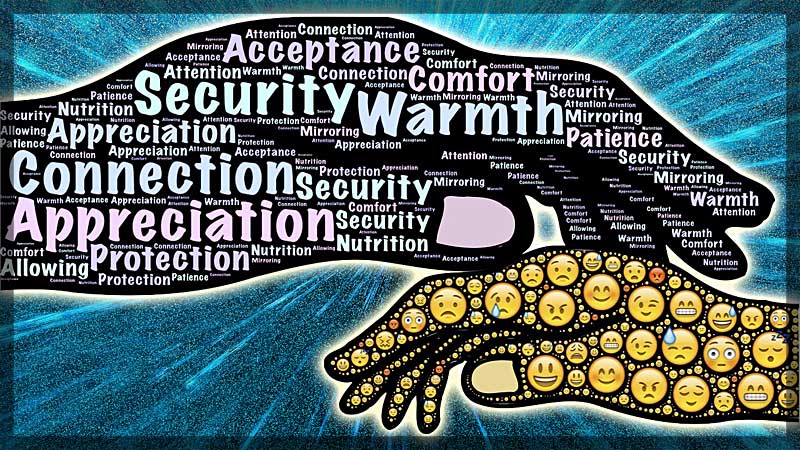
The PAUSE Method for Replacing Negative Emotions
Whenever you experience negative emotions, remember to use the simple PAUSE framework by Joseph Nguyen, who introduced it in his bestselling book,
Don’t Believe Everything You Think.3Nguyen, J. (October 29, 2024, Expanded Edition Date). Don’t Believe Everything You Think. Authors Equity. josephnguyen.org Write down the lessons you’ve learned. Action reinforces emotional change.
P — Pause
- Take one slow breath before reacting.
- Even a few seconds of space creates everything.
A — Acknowledge
- Recognize what you’re feeling without judging yourself.
- Every emotion carries useful information.
U — Understand
Ask yourself:
- Why am I feeling this?
- Is this thought completely true?
- Is there another way to see this situation?
S — Substitute
Choose a healthier emotional response.
- Replace anger with kindness.
- Replace fear with courage.
- Replace criticism with curiosity.
- Replace resentment with forgiveness.
E — Engage
- Take one positive action immediately.
- Send the encouraging message.
- Smile.
- Express gratitude.
- Go for a walk.

Don't Believe Everything You Think by Joseph Nguyen
Core Concepts
- Separating Truth — Realizing thoughts are not facts.
- Stopping Loops — Interrupting cycles of mental overthinking.
- Mental Agency — Reclaiming control over your inner peace
Find out more about Joseph Nguyen's teachings at josephnguyen.org
How Positive Emotions Rewire Your Brain
Positive emotions do far more than improve your mood.
Research from the field of Positive Psychology4Positive Psychology Supports Positive emotions and wellbeing. Source: Positive Psychology Center – University of Pennsylvania suggests that positive emotional experiences broaden our thinking, improve creativity, strengthen resilience, and help us recover more quickly from setbacks.
Psychologist Dr. Barbara Fredrickson describes this mindset as the Broaden-and-Build Theory. Explaining that positive emotions expand our awareness and gradually build lasting psychological resources.
Similarly, research into neuroplasticity demonstrates that repeated thought patterns strengthen corresponding neural pathways.5Barbara Fredrickson’s Broaden-and-Build Theory. Supports: Positive emotions broaden thinking. Positive emotions build resilience. Positive Psychology discussion. Source: PubMed – The Broaden-and-Build Theory of Positive Emotions
In simple terms, what you repeatedly think and feel becomes easier to think and feel again. That means practicing positive emotions isn’t wishful thinking. It’s mental training. Like strengthening a muscle, consistency matters more than perfection.
Emotional Shifts That Can Change Your Life
You can choose to express kindness instead of anger.
While we may often perceive anger as a potent force, it is important to recognize that kindness can be even more effective. It can ease emotional tension, improve communication, and promote deeper understanding between individuals.
Small acts of kindness can create unforeseen positive ripple effects that extend far beyond the original interaction.6Kindness and Wellbeing Supports: Acts of kindness, Improved wellbeing, and Stronger relationships. Source: Greater Good Science Center – Kindness & Compassion
Being kind does not mean tolerating poor behavior. It means choosing responses that safeguard your emotional wellbeing while promoting mutual respect.
Every act of kindness strengthens empathy. Every act of empathy strengthens emotional intelligence.
Practice Acceptance Instead of Constant Judgment
Judgment creates resistance; acceptance creates peace. Acceptance doesn’t mean agreeing with everything. It simply means acknowledging reality before deciding what to do next.
When we stop fighting situations we cannot immediately change, we conserve emotional energy for the things we can influence.
Self-acceptance is equally important. Nobody grows through constant self-criticism.
Growth begins when we recognize both our strengths and our imperfections with honesty and compassion.
Develop Gratitude Instead of Living in Scarcity
Gratitude shifts attention from what’s missing to what’s already meaningful. It changes a mindset perspective.
Why not recite the affirmation: I have a ‘Gratitude Attitude’
Rather than asking, “What don’t I have?” begin asking, “What is already working well?”
Keeping a simple gratitude journal has been associated with improved well-being, optimism, and life satisfaction.
You don’t need extraordinary moments to express or feel gratitude.
- A moment to enjoy a morning cup of coffee or tea while sitting in the sunrise sunshine.
- A supportive friend.
- Good health.
- A lesson learned.
Often, when you are exploring a new experience, small moments can become life’s greatest treasures.7Gratitude Research. Supports:Gratitude journals. Improved wellbeing. Increased optimism and life satisfaction. Source: Greater Good Science Center – Gratitude
Choose Joy Even During Difficult Times
Joy isn’t the absence of challenges. It’s the decision to notice moments of hope despite them.
Joy can be found in simple natural observations such as:
- Music.
- Family.
- Achievement.
- Laughter.
- Learning something new.
Positive emotions strengthen our resilience by reminding us that tough times are only temporary. Every joyful experience strengthens emotional recovery.
Replace Resentment with Forgiveness
Holding onto resentment often hurts the person carrying it most.
Forgiveness isn’t forgetting. It isn’t excusing harmful behavior.
It’s releasing the emotional burden that keeps you from healing.
Forgiveness creates emotional freedom.
Many people describe forgiveness as one of the most empowering emotional decisions they have ever made.8Forgiveness supports: Emotional healing. Reduced stress. Improved mental well-being. Source: Johns Hopkins Medicine – Forgiveness: Your Health Depends on It
You can choose to lead a life of love rather than fear.
- Fear creates separation.
- Love creates connection.
- Love encourages patience.
- Understanding.
- Compassion.
- Respect.
This includes how we speak to ourselves. Your inner dialogue shapes your confidence. Treat yourself with the same kindness you would offer someone you deeply care about.
Why Not Discover New Daily Habits That Cultivate a Lifelong Positive Mindset?
Lasting change comes from daily practice. Consider introducing simple habits such as:
- Write three things you’re grateful for every evening.
- Perform one unexpected act of kindness each day.
- Spend ten minutes outdoors without distractions.
- Replace negative self-talk with supportive language.
- Celebrate small wins instead of waiting for major achievements.
- Practice mindful breathing during stressful situations.
- Reflect on one lesson learned from each challenge.
Small actions repeated consistently often produce extraordinary long-term results.
Emotional Intelligence Makes Positive Thinking Practical
Thinking positively alone isn’t enough. Emotional intelligence turns positive thinking into positive action. Appropriate action that responds to the situation at hand leads to better results for all involved.
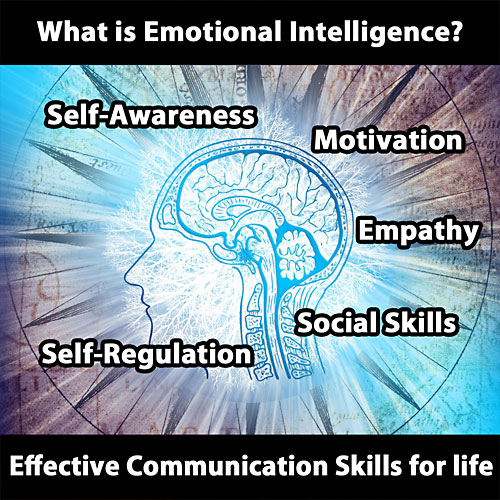
Emotional intelligence includes these skill sets:
- Self-awareness.
- Self-regulation.
- Motivation.
- Empathy.
- Social skills.
When you strengthen your mindset with these skill sets, your communication becomes calmer. Imagine situations where:
- Relationships become stronger.
- Conflict becomes easier to manage.
- Confidence grows naturally.
Emotional intelligence doesn’t remove difficult emotions; it helps you navigate them more effectively.9Emotional Intelligence Supports: Self-awareness, Self-regulation, Empathy, and Social skills. Source: The Emotional Intelligence Definition by Daniel Goleman, Wikipedia: Emotional intelligence (EQ). Yale Center for Emotional Intelligence
Strong Personal Values Create Strong Relationships
Healthy relationships are built on these values:
- Trust.
- Honesty.
- Integrity.
- Respect.
- Empathy.
- Reliability.
Emotional integrity, emotional intelligence, and respectful communication strengthen these values. People are naturally drawn to those who exhibit these qualities.
Positive emotions strengthen every conversation because they encourage understanding rather than conflict.
Can Your Inner Beliefs Shape Your Future?
Personal development philosophies suggest that our core beliefs shape how we perceive opportunities, tackle challenges, and make decisions.
Our internal beliefs significantly shape our external actions, whether we pursue positive change through mindset development, such as the Law of Attraction.
By nurturing positive emotions and beliefs, we can create meaningful changes in our lives.
People who genuinely believe that growth is possible are often more willing to take positive action towards improvement.
- They notice opportunities others overlook.
- They recover faster after setbacks.
- They remain focused longer.
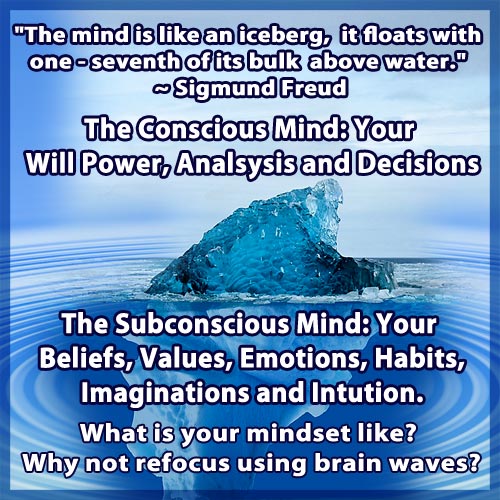
Your subconscious beliefs influence many automatic behaviors developed over years of experience.
The encouraging part is that beliefs can evolve.
- As your confidence grows, your decisions begin to change.
- As your decisions change, your results often begin to change as well.
Visualization, Gratitude, and Positive Habits
Many successful people use visualization, gratitude, journalling, and mindfulness as daily practices10Mindfulness Supports Pausing before reacting, Mindful awareness, and Emotional regulation. Source:Mindful.org – Mindfulness Resources.
These habits encourage greater focus, emotional awareness, and intentional goal setting.
Rather than hoping life will change on its own, these practices help align your daily actions with your long-term goals.
Combining positive emotions with consistent action creates meaningful momentum toward a better experience for everyone involved.
Your Life Is a Canvas
- Every day presents a fresh opportunity.
- Every conversation.
- Every decision.
- Every emotional response.
You are continually painting the picture of your future through your thoughts and emotions, and through the actions you take based on the values you believe in. Some days will be brighter than others, while some challenges will test your resilience as you learn new lessons of life.
Yet every positive emotional choice that you make adds another meaningful brushstroke.
- Kindness.
- Acceptance.
- Gratitude.
- Joy.
- Forgiveness.
- Love.
These are not signs of weakness. They are powerful emotional strengths that help build a richer, healthier, and more fulfilling life.
The Present Moment
Breaking the Cycle of Negative Thoughts
In Chapter 2, “The Present Moment,” of Becoming Supernatural: How Common People Are Doing the Uncommon, Dr Joe Dispenza11Dr Joe Dispenza. Chapter 2, “The Present Moment,” of Becoming Supernatural. Website: Becoming Supernatural explains that many people become trapped in repetitive thought patterns driven by memories of the past or worries about the future.
These automatic mental loops can keep the brain and body locked in a stress response, reinforcing the same emotions and behaviors day after day.
When negative thoughts are continually replayed, the body can remain in a prolonged state of alertness, repeatedly releasing stress hormones such as adrenaline and cortisol.
While these hormones are essential during genuine emergencies, chronic activation over weeks, months, or years may contribute to physical and emotional health challenges.
One of the central messages of The Present Moment is that meaningful personal change begins by bringing your attention fully into the present moment.
Instead of reacting automatically to familiar emotions, you consciously observe your thoughts without becoming attached.
This awareness helps interrupt habitual thinking and creates an opportunity to respond differently.
Dispenza also describes how slowing the mind—from fast, analytical beta brain-wave activity into more relaxed alpha and theta states—can help reduce mental chatter, quiet emotional reactivity, and increase self-awareness.
By becoming less focused on external circumstances, time, and emotionally charged memories, people may become more open to new possibilities rather than repeating old emotional patterns.
Practicing gratitude is a powerful way to reinforce this shift. Gratitude naturally redirects attention away from fear, resentment, regret, and scarcity toward appreciation, hope, and possibility.
Rather than dwelling on what has already happened or worrying about what may happen, gratitude encourages you to recognize the value of the present moment.
This simple change in focus can begin to replace negative emotional cycles with positive ones. Over time, consistently choosing presence, gratitude, acceptance, and optimism helps create healthier habits of thinking and responding.
Instead of letting negative emotions perpetuate themselves, living in the present moment helps you cultivate positive emotions that support greater resilience, clearer decision-making, stronger relationships, improved well-being, and better outcomes for everyone involved.
Key Takeaways of being in the present moment
- Negative thoughts and emotions often arise from replaying the past or anticipating the future.
- Repetitive stress-based thinking can keep the body in a prolonged “fight or flight” state through the continued release of adrenaline and cortisol.
- Noticing ongoing thoughts and emotions without identifying with them helps interrupt automatic emotional reactions.
- Focusing on the present moment creates space for new choices instead of repeating old habits.
- Relaxation practices that quiet the mind can improve emotional regulation and self-awareness.
- Gratitude is one of the most effective positive emotions for shifting attention from negativity to opportunity.
- Replacing habitual negative emotions with positive emotional states can improve mental wellbeing, physical health, relationships, and overall quality of life.
In Summary: Using Positive Emotions to Overcome Negativity
Your negative emotions are a natural part of being human, but they don’t have to settle permanently in your mind.
Every positive emotional choice you make helps interrupt old thinking patterns and creates space for healthier, more empowering responses.
You always have the option to choose a different mindset in challenging situations. Instead of responding with anger, consider responding with kindness. Rather than passing judgment, embrace acceptance.
Choose gratitude over feelings of scarcity, joy instead of despair, forgiveness instead of resentment, and love rather than fear.
In shifting your mindset, you can reshape not only your emotions but also your overall life experience.
Genuine transformations rarely result from a single dramatic breakthrough. We evolve through many small, intentional emotional choices made consistently over time.
As your emotional awareness grows, your confidence strengthens, your relationships improve, and your ability to navigate life’s challenges becomes more resilient.
Your future is influenced by the thoughts you nurture today.
- Choose emotions that help you grow.
- Choose responses that reflect the person you want to become.
Frequently Asked Questions about One positive choice at a time.
Can positive emotions really replace negative thoughts?
Positive emotions don't eliminate negative thoughts, but they reduce their intensity and frequency over time. Regularly practising gratitude, kindness, optimism, and self-compassion helps reprogram your brain to respond more appropriately and constructively to new challenges.
How long does it take to develop a positive mindset?
Although everyone is unique, many people begin to notice positive changes within just a few weeks of integrating beneficial habits into their lives.
By engaging in self-empowerment techniques such as gratitude journaling, mindfulness, and reframing negative self-talk into positive affirmations, you can significantly enhance your wellbeing.
These techniques not only support your personal growth but also help you cultivate a more hopeful and fulfilling future.
You can experience lasting changes in your mindset, which are typically developed through continuous repetition.
Why do negative thoughts keep returning?
The human brain naturally has a negativity bias, which is essential for keeping us safe from potential threats. Factors such as stress, past experiences, and limiting beliefs can reinforce this tendency toward negativity.
On the flip side, by recognising these patterns, you can consciously choose healthier emotional responses and gradually reduce negative thinking over time.
What are the best positive emotions to practise every day?
The most powerful emotions to consider adapting include: gratitude, kindness, compassion, forgiveness, hope, joy, curiosity, love, and appreciation.
Regularly focusing on these emotions strengthens emotional resilience and improves overall wellbeing.
Can positive emotions improve physical health?
Research shows that fostering positive emotions can be incredibly beneficial for our well-being.
By embracing uplifting emotions with positive feelings, we can actively lower stress hormones, enhance our sleep quality, strengthen our immune system, and reduce blood pressure.
When we combine these emotional benefits with healthy lifestyle habits, we create a strong foundation for improved overall mental and physical health.
This observation provides opportunities to focus on cultivating positivity in our lives and making choices that support our well-being.
Continue Your Personal Growth Journey with Positive Emotions
Cultivating a positive mindset over a lifetime, through many challenges, curves, and bumps along the way, leads to personal growth and fulfillment rather than a fixed endpoint.12Growth Mindset Supports: Beliefs influence learning, Improvement through effort, and Resilience. Source: Mindset Works – Growth Mindset Research
The more you understand emotional intelligence, resilience, gratitude, and self-awareness, the more equipped you’ll become to create lasting positive change in every area of your life.
If this guide has inspired you, continue exploring our collection of practical articles on mindset, emotional wellbeing, personal growth, and emotional intelligence.
Each article post or eBook on this website is shared to offer simple, actionable ideas that help you build momentum, strengthen your confidence, and create a life guided by purpose rather than negativity.
This article was compiled over time by asking questions about personal mindset and life experiences, focusing on recognizing negativity and moving toward more positive outcomes. The key point is to ask the right questions about how to leverage key lessons others have experienced and documented.
Your next positive step could begin with the very next article you read.
👉 View this video to gain further insights about personal mindset shifts
Sponsored Insight |

References
- 1Verywell Mind – What Is the Negativity Bias? ↩︎
- 2Neuroplasticity: The brain can develop healthier thinking patterns.
Repeated thoughts strengthen neural pathways. Emotional habits can change over time. Source: Cleveland Clinic – Neuroplasticity ↩︎ - 3Nguyen, J. (October 29, 2024, Expanded Edition Date). Don’t Believe Everything You Think. Authors Equity. josephnguyen.org ↩︎
- 4Positive Psychology Supports Positive emotions and wellbeing. Source: Positive Psychology Center – University of Pennsylvania ↩︎
- 5Barbara Fredrickson’s Broaden-and-Build Theory. Supports: Positive emotions broaden thinking. Positive emotions build resilience. Positive Psychology discussion. Source: PubMed – The Broaden-and-Build Theory of Positive Emotions ↩︎
- 6Kindness and Wellbeing Supports: Acts of kindness, Improved wellbeing, and Stronger relationships. Source: Greater Good Science Center – Kindness & Compassion ↩︎
- 7Gratitude Research. Supports:Gratitude journals. Improved wellbeing. Increased optimism and life satisfaction. Source: Greater Good Science Center – Gratitude ↩︎
- 8Forgiveness supports: Emotional healing. Reduced stress. Improved mental well-being. Source: Johns Hopkins Medicine – Forgiveness: Your Health Depends on It ↩︎
- 9Emotional Intelligence Supports: Self-awareness, Self-regulation, Empathy, and Social skills. Source: The Emotional Intelligence Definition by Daniel Goleman, Wikipedia: Emotional intelligence (EQ). Yale Center for Emotional Intelligence ↩︎
- 10Mindfulness Supports Pausing before reacting, Mindful awareness, and Emotional regulation. Source:Mindful.org – Mindfulness Resources ↩︎
- 11Dr Joe Dispenza. Chapter 2, “The Present Moment,” of Becoming Supernatural. Website: Becoming Supernatural ↩︎
- 12Growth Mindset Supports: Beliefs influence learning, Improvement through effort, and Resilience. Source: Mindset Works – Growth Mindset Research ↩︎