Effective Ways to Use Gratitude in Everyday Life
Practice Gratitude: This is a fundamental way to reduce stress and improve mental health.
There are many ways to practice personal gratitude, but the most effective method is keeping a gratitude journal.
This journal should contain three key points to Express Gratitude:
- What went well today?
- What do I have?
- What am I grateful for right now?
The 3 Effective Ways to Express Gratitude
1. Ask Yourself, “What Went Well Today?”
At the end of each day, take a few minutes to reflect on something that went well, even if it seems insignificant.
Maybe you had a meaningful conversation, finished a task you had been putting off, or enjoyed a peaceful moment with your morning coffee.
By recording these experiences in a gratitude journal, you train your attention to notice positive moments you might otherwise overlook.
This practice can help you develop a more balanced perspective on daily life, support emotional wellbeing, and reduce the tendency to dwell on stressful experiences.
To encourage personal reflection for personal growth, take a moment each evening to write down at least one specific example from your day.
Spend a minute explaining why this moment was significant. This thoughtful practice can help you gain deeper insights into your experiences and emotions.
For example, you could say: “I had a wonderful day.”
You could reflect on how a friend’s phone call brightened your spirits or how completing a challenging task provided you with a sense of accomplishment.
Reflecting on these details daily reconnects you with positive emotions, making gratitude a meaningful habit rather than just another task.
2. Recognize and Appreciate What You Already Have
Modern life often pushes us to focus on what we still need to achieve or acquire, leaving us dissatisfied even when many parts of our lives are going well.
Practicing gratitude helps you recognize and appreciate what you have, like supportive relationships, a welcoming home, nourishing food, and opportunities to learn and grow.
By recognizing life’s everyday gifts, we can appreciate the security, comfort, and opportunities they offer, fostering a healthier relationship with our circumstances.
To practice gratitude, pick one aspect of your life each day and reflect on why you value it.
For example, if you appreciate having a reliable friend, reflect on how their support has helped you through a difficult period.
You can also write about ordinary conveniences that make your life easier, since these are often taken for granted.
Over time, this simple exercise can encourage greater contentment and help you make decisions from a place of appreciation, rather than letting constant comparisons with others influence your happiness.
3. Focus on What You Are Grateful for Right Now
Gratitude becomes especially powerful when you focus on the present moment and recognize something you can genuinely appreciate.
When you are caught up in worries about the future or replaying past disappointments, it can be hard to notice the positive experiences available to you in the present.
Taking a brief pause to acknowledge something meaningful, like the comfort of your surroundings or the kindness someone has shown you, can interrupt this pattern and help you feel more grounded.
Although gratitude will not remove every source of stress, it can help you manage your response to everyday challenges.
For best results, practice this exercise whenever you feel overwhelmed, frustrated, or distracted by worries.
Pause for a moment, take a comfortable breath, and ask yourself, “What is something I can appreciate in this moment?” Then give yourself time to identify a genuine answer and consider why it matters.
You might feel grateful for the chance to rest after a busy morning or for a colleague who offered assistance when you needed it.
By repeating this exercise throughout the day, you can make gratitude part of your everyday routine and gradually become more aware of the experiences that bring meaning and satisfaction to your life.
What is the purpose of expressing gratitude, and why is it important?
Exploring Ways to Practice Gratitude cultivates appreciation, thankfulness, and love for your life experiences and your connection to your family, environment, and the conditions for life. It can improve your mood, help you sleep better, and even make you more attractive!
Gratitude can also make you more resilient to stress and support a healthy immune system.
So the next time you feel overwhelmed, or you’re not grateful for something big in your life, try saying “thank you” or “I’m so grateful.” It might just change your day.
Why is it often so hard to be thankful in a world full of bad things?
We all know expressing thanks matters. It helps us to be more optimistic and happy. Yet, it’s not always easy to feel grateful when feeling down.
So why is it so hard to be thankful in a world full of bad things?
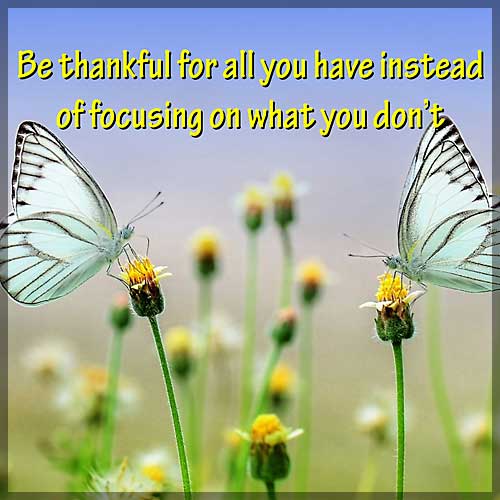
Well, one reason might be that we have many negative thoughts about the bad things that happen in our lives. We constantly tell ourselves how terrible everything is and what we don’t have, instead of focusing on what we do have and appreciating the good things in life.
Another reason might be that so many distractions nowadays keep us from being present in the moment, for example, social media, TV, or other screens that pull our attention away from what’s happening around us.

The Benefits of Finding Effective Ways to Practice Gratitude
Discover How Practicing Gratitude Helps You in Your Everyday Life
Science shows that being thankful improves quality of life. People who express gratitude regularly are healthier, live longer, and face a lower risk of chronic disease.
The benefits of expressing thanks are endless, so take time to appreciate what sustains our lives and helps us stay happy.
Gratitude has been shown to reduce depression, improve relationships, increase daily happiness, and even help you live longer. Practicing gratitude can improve your mood, increase happiness, boost self-esteem, and lower stress levels.
Expressing gratitude for everyday events is a simple way to improve your mood and mental health. It’s also an excellent self-care practice. At work, showing appreciation for the people around you can help you manage stress.
Gratitude helps you live happily because it lets you focus on the good things in your life instead of dwelling on what could have been or what might happen in the future.

How to get started practising gratitude?
Start by writing a list of things or events for which you feel gratitude and include key points about relationships, family, friends, work, and success. Think about the things that make your life enjoyable and meaningful.
Make it a daily goal to be thankful in the little moments that others might not even notice. Consider using a vision poster board to complement your life goals as part of visualising further achievements
What Are Some Ways to cultivate gratitude?
Cultivating gratitude is very beneficial for our mental health. And it can be as simple as counting your blessings in front of your morning coffee. Find something to be grateful for every day and it will change your outlook on life.
9 Reasons Why Practicing Gratitude Every Day is Beneficial to Your Wellbeing
Gratitude: meaning: noun: the quality or feeling of being grateful or thankful: He expressed his gratitude to everyone on the staff.
The following list includes just a few of the many rewards of practicing gratitude every day, all of which help you get your life together.
1 – Healthy Relationships
Show appreciation for the people in your life by telling them they matter. This can improve relationships every day and clarify what matters to you.
Gratitude can help you see more clearly what the people in your life mean to you and to the world.
Start small, like acknowledging a friend daily or telling a family member they matter, and work your way up. Be grateful by telling them they matter.
2 – Stress-Relief
Worrying about what you don’t have is not only very stressful but also triggers the release of stress hormones in your body. Over time, stress hormones increase blood pressure and weaken your immune system, harming your physical health. Stress hormones negatively impact your body, causing physical and emotional health problems.
The stress relief you get from being thankful supports a healthier body and mind. Stress is a huge burden, especially when you are anxious or worry about what you don’t have or might not have.
The more stress you experience, the worse it will be for your body. Chronic stress can cause heart disease, obesity, and anxiety, and make it difficult to sleep soundly.
Research shows that a grateful attitude toward life not only reduces physical stress responses, such as heart rate and blood pressure, but also improves mental well-being and shifts your perspective on stressful situations.
3 – You can improve your Social life
Humans are social animals and aren’t meant to live life with only ourselves in mind. Those who are ungrateful for whatever they have will lean towards chronic isolation and anger.
When you take time to appreciate what you have and the people in your life, you naturally want to engage with them more, leading to a healthier lifestyle.
Focusing on what you have increases social interaction, with positive consequences for both physical and mental health.
The study also found that the benefits of spending time appreciating what you have may extend beyond physical and mental health. In one case, an individual was happier after taking time to enjoy what they had experienced.
4 – You Will Be Able To Sleep Better
As you express gratitude in your daily activities, your overall well-being improves, leading to healthier sleep patterns that support better mental and physical health.
5 – Helps boost your immune system
Expressing gratitude and using affirmations daily will keep your immune system healthy.
A positive outlook can improve your life in many ways.
When you express gratitude using positive affirmations, you will feel good about yourself and your life. These positive thoughts can also help balance and even boost your immune system, your body’s first line of defense.
You can also help boost your immune system by eating a well-rounded diet, exercising regularly, and getting enough sleep.
6 – Expressing Gratitude Makes You Happier
One study found that keeping a gratitude journal can boost your overall health and well-being by more than 10%. Keeping a gratitude journal can also increase your self-worth, optimism, sense of belonging, and how much you value relationships.
Those studies showed that people who doubled their income had the same happiness levels as those who didn’t.
7 – Gratitude Makes People Like You
One thing that always works is telling people how important they are to you and that you appreciate them. This will make them feel amazing. Expressing gratitude for life experiences will help inspire others to help you and stick around. They often take the initiative to repay that gratitude.
When you show appreciation for others and say it out loud, people generally like you more.
8 – Gratefulness Beats Depression
The Positive Psychology Progress study examined what happens when an app trains non-depressed individuals in gratitude. They found that their participants reported fewer negative emotions such as depression, anxiety, and anger.
By using a gratitude journal, participants experienced a reduction in depressive symptoms of 30%+. The practice continued to have an effect for as long as they continued
9 – Expressing Gratitude will help you increase optimism
Research shows that people who write down 5 things they’re grateful for every day are more optimistic, have higher self-esteem, and report higher life satisfaction. And life satisfaction.
Take a moment to find three things you are thankful for in your life so you can feel happy, safe, and secure, and focus on more important life goals, like getting your life together.
Conclusion: The Importance and Benefits of Practicing Gratitude
Gratitude is a powerful emotion that research shows benefits our mental and physical health. It can help us live longer, feel happier, and even make us more successful.
In this post, we looked at how gratitude can improve our lives in several ways. We also explored how practicing gratitude can improve our relationships and why it matters to practice it with children.
Finally, we looked at how gratitude can help us succeed by making it easier to appreciate what we have instead of focusing on what we don’t. We hope that you found this post helpful and insightful!
Other life skills to explore daily include:
- Emotional Intelligence Skills,
- Productivity Skills,
- Being Present-Minded and living in the moment,
- Mindfulness skills,
- Meditation skills,
- The Law of Attraction,
- Creative Visualization, and
- The Power of Positive Thinking.
Sponsored Insight |