The 5 Key Qualities of Emotional Intelligence
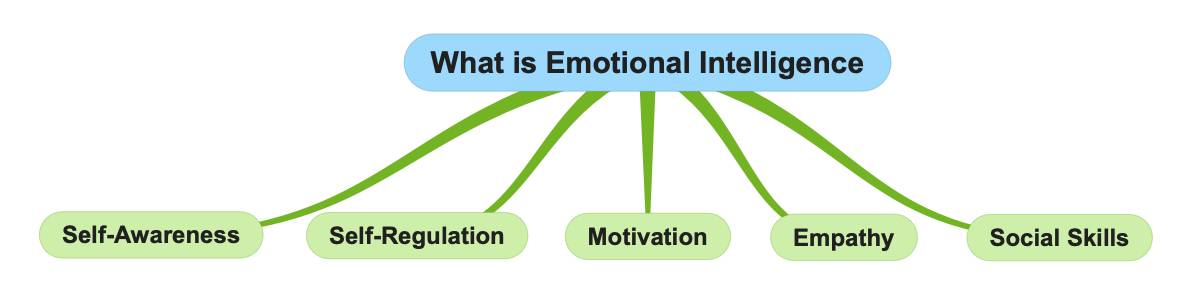
“Self-awareness, self-regulation, motivation, empathy, and social skills”
Why Not Learn About The Qualities Needed for Emotional Intelligence to get better results in life?
What is the importance of emotional intelligence, and why should we learn about it?
There are several types of intelligence; the key is learning how to integrate them into our lives. Along with IQ, which predicts success, another kind of personal intelligence is emotional intelligence, or EQ.
Emotional intelligence is the ability to understand and manage your emotions and how they affect what you do and say to others.
Emotional intelligence is an important skill to explore in our lives, as it helps us better understand and manage our own emotions and those of others. It is the main factor in how we interact with each other and can significantly impact our relationships.
One measure of emotional intelligence is the ability to identify an individual’s primary sympathies and social emotions. Social emotions are feelings we may not all experience personally, but that others may experience in response to our spoken words or actions.
It also affects how others react to you. Improving your EQ offers many benefits because it involves many of your actions—decision-making and responses to everyday stimuli. We all have a choice in how we react to different situations.
To get the best results with everyone you deal with, both at home and at work, EQ is essential to learn sooner rather than later. Here are five qualities that you need to focus on developing if you want to increase your EQ.
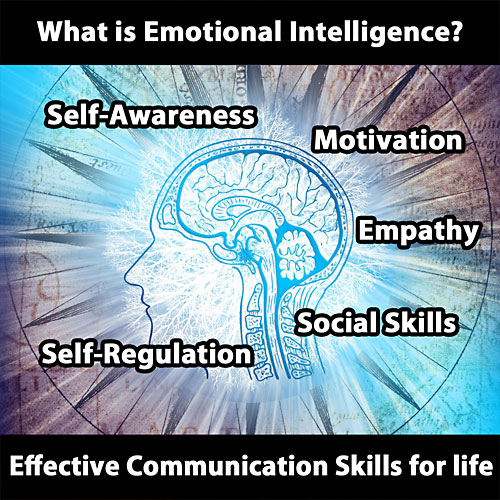
There are five main areas of interest in learning about EQ:
- self-awareness,
- self-regulation,
- motivation,
- empathy,
- and social skills.
What qualities and skills are worth exploring for self-development in each of these separate areas of interest? This post offers some insights.
What Are The Key Qualities of Emotionally Intelligent Individuals?
Explore Empathy
Empathy is understanding what someone else is thinking, seeing, and feeling from their perspective. Why not take a minute to learn to put yourself in someone else’s shoes and see the world with fresh eyes? With that in mind, try to treat others as you’d like to be treated.
One key quality of emotional intelligence is self-awareness.
Self-awareness is how you see yourself and how you think other people see you. To boost your emotional intelligence, become self-aware and identify what stimuli affect you.
If it’s a proactive situation, prepare yourself to handle it. If something has just happened or is about to happen, respond by choosing the best time to act and managing your emotions.
Explore Curiosity and Motivation
When you are curious about your environment and want to learn more, you can turn your passions into motivation. Passion for learning positively affects your life and the lives of those around you.
Explore an Analytical Mind
Deep thinkers who analyze new information thoroughly are the most emotionally intelligent and determined individuals. They also tend to review old details, methods, and habits to see whether new techniques could improve results.
An analytical mind means continuously improving your mindset and skills while staying open to new ideas.
Get into an Optimistic Mindset
Cultivating a positive mindset is essential to make the most of opportunities, improve relationships, and protect your mental health and mood. Your attitude is one thing you can control.
As with anything, some things are harder to change than others. Your attitude is one of those things that can be difficult to change if you don’t already have a healthy mindset. However, you can cultivate a positive mindset. The benefits of a positive mind include better relationships, opportunities, and mental health.
To improve your EQ, focus on these five qualities. You’ll notice a massive difference in your life very soon. A high quality of life is hard to achieve without high EQ and appreciation for what you have. That includes people, situations, and material possessions.
If you constantly complain or focus on what’s missing, your emotions are likely to be low, which can severely impact your EQ. So try being grateful for what you have and the experiences you have to explore to discover life lessons.
Learn Ways to Increase Your Emotional Intelligence
Developing higher emotional intelligence can help you be happier and more successful, both personally and professionally. Here are five simple yet effective methods for improving your EQ.
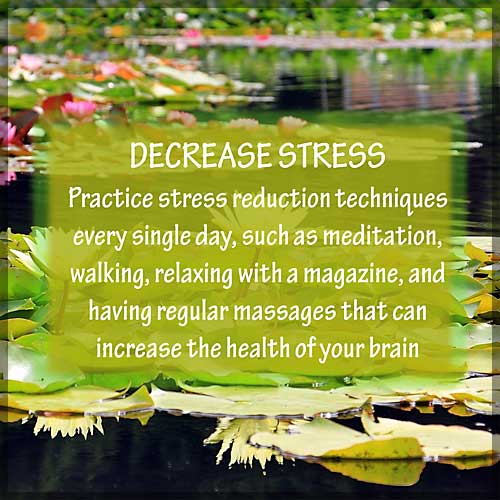
Explore Stress-Relieving Techniques
You can improve your EQ by identifying what stresses you and considering ways to eliminate those sources. Not everyone responds to stress in the same way, mentally or physically.
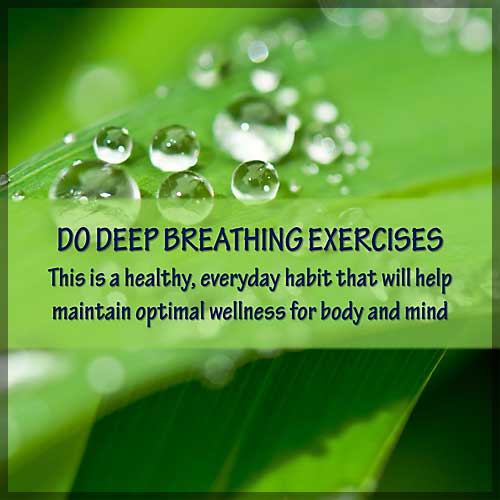
For some, quiet time, meditation, deep breaths, or yoga may help clarify what’s going on.
Others might find that more physical exercise helps release endorphins in their bodies and minds. Focusing on what works best for you is key to improving emotional intelligence. You’ll see the effects in no time at all.
Pause Your Mind Before You Judge and Speak Your Thoughts
Judging others too quickly based solely on your perceptions, without finding out the facts of a situation, is often a knee-jerk reaction that has become second nature to many of us. Still, it can have consequences if you don’t consider it carefully.
However, if you want to increase your EQ, it is productive to identify any judgmental thoughts you may have and try to hold back when making a judgment. When you take a moment to think about a situation, you may find a better solution or result to a problem that may be causing you stress.
Become More Aware of How You Are Feeling
Guard against negativity by thinking before you react, rather than considering the consequences of your actions.
If you want to be happy, start by understanding what it means to feel anger or resentment without trying to fix it immediately. Identifying the triggers behind those emotions and finding a healthy way to deal with them can help you move toward happier times.
Learn Ways to Receive Criticism
It is natural to respond negatively to criticism, but accepting it for what it is and learning from it can lead to success.
When you recognize why the criticism may be necessary and learn to accept feedback, you take a step toward improving your emotional intelligence.
Learn How to Accept Your Weaknesses
No one is perfect, and that’s alright. However, to increase your EQ, you must accept your weaknesses and learn from them rather than deny that they exist. Awareness of your emotional and social intelligence can lead to greater satisfaction in your life.
If you can work with and accept any negative feedback, you will improve your emotional intelligence.
It is a process of observing, learning from, and accepting your weaknesses to grow stronger for future decisions, grounded in past experiences, knowledge, and skills that form part of your wisdom.
Emotional intelligence is essential to personal growth and professional success. The five methods above can dramatically improve your life.
Emotional intelligence in the workplace
Emotional intelligence (EQ) is a valuable asset in the workplace. It is the ability to recognize, understand, and manage one’s own emotions as well as influence the emotional responses of others.
EQ is a vital indicator of job performance, team dynamics, and overall success. In the workplace, emotional intelligence skills will help create a more positive and productive environment.
It can help employees better understand their colleagues’ needs and perspectives, leading to better collaboration and communication.
Additionally, emotional intelligence can help managers make better, more informed decisions by considering how their choices will affect their team members and the organization.
By leveraging emotional intelligence in the workplace, organizations can create an environment where everyone feels heard, respected, and valued. This can lead to greater job satisfaction and productivity for all involved.
Emotional intelligence in the workplace can influence and determine our success in achieving our goals and objectives.
With emotional intelligence, we can better empathize with others, build strong relationships, manage stress more effectively, and make better decisions. Therefore, understanding the importance of emotional intelligence is essential to achieving positive results, both personally and professionally.
Emotional Intelligence FAQs
What are the five essential qualities of emotional intelligence?
The five essential components of emotional intelligence are self-awareness, self-regulation, motivation, empathy, and social skills.
These elements help individuals understand their emotions, manage their reactions, build stronger relationships, stay motivated, and communicate more effectively in daily life.
How can enhancing my emotional intelligence significantly improve my personal relationships and professional success?
Improving emotional intelligence helps you manage stress, make better decisions, and understand others’ perspectives. These skills can strengthen relationships and boost confidence at home and work.
What are some straightforward ways to begin enhancing emotional intelligence?
You can improve your emotional intelligence by practising mindfulness, taking a moment before reacting, being receptive to feedback, recognising emotional triggers, and employing stress-relief techniques such as deep breathing, meditation, or physical exercise.
Small daily habits can lead to significant changes over time.
Download a Free Report on How You Can Boost Your Emotional Intelligence
5 Easy Ways To Boost Your Emotional Intelligence Report and Newsletter course
For More Information about how you can improve your Emotional Intelligence => Download the FREE Guide Simply enter your name and email below to get started downloading reports and email lessons

References:
- Wikipedia: Emotional intelligence (EQ) is most often defined as the ability to perceive, use, understand, manage, and handle emotions.
- The Emotional Intelligence Definition by Daniel Goleman