An In-Depth Guide to How to Improve Communication Skills
Why Do Conversations So Often Go Wrong?
You can say exactly what you mean and still be misunderstood. A simple conversation can turn into an argument when someone feels ignored, criticized, judged, or simply unheard.
You might struggle to explain your ideas clearly. You might talk too much, interrupt people, avoid difficult conversations, or become defensive when someone disagrees with you.
These problems can affect relationships, work, negotiations, and everyday interactions. The good news is that effective communication isn’t something you either have or don’t have.
It’s a set of skills you can develop with awareness, practice, and better habits. The biggest shift is understanding that communication isn’t simply about getting your message across.
It’s about creating shared understanding.

The Real Problem Isn’t Always What You Say
Communication involves speaking, listening, writing, reading, tone, and body language. But the words themselves are only part of the conversation.
Your attitude, assumptions, and emotional state can influence how you interpret what another person says.
The same applies to the person listening to you. A message can be clear and still create confusion when either person makes assumptions or listens defensively.
That’s why good communication requires both clear expression and genuine listening.
When Poor Communication Creates Bigger Problems
Poor communication can turn a small disagreement into a much bigger conflict. One person may feel they’re explaining themselves, while the other feels unheard.
Someone may offer feedback intending to help, while the other person hears criticism. A negotiation can stall because each side is focused on defending its position instead of understanding the concern underneath it.
Strong communication doesn’t eliminate disagreement. It helps reduce unnecessary misunderstanding, defensiveness, and conflict.
How Assumptions Can Change a Conversation
Preconceived attitudes and unspoken expectations can affect a conversation before it even begins. If you assume you already know what someone means, you may stop listening to what they’re actually saying.
If you expect criticism, you may interpret a neutral comment as an attack. If you believe someone has a hidden agenda, it becomes harder to approach the conversation openly.
A better approach is to replace assumptions with curiosity.
- Ask questions.
- Listen carefully.
- Clarify what you think you heard before reacting.
That simple change can prevent many unnecessary misunderstandings.
10 Practical Ways to Improve Your Communication Skills
Improving communication doesn’t require you to become a completely different person. Improving communication skills starts with changing a few everyday habits.
1. Listen Without Planning Your Reply
- Give the other person your attention instead of mentally preparing your response while they’re speaking.
- You can’t fully understand someone if you’re already deciding what you’re going to say next.
2. Practice Active Listening
- Show that you’re listening by reflecting on what you’ve heard.
- Paraphrase an important point or ask whether you’ve understood correctly.
- This gives the other person a chance to clarify what they mean.
3. Think Before You Speak
- Know what you’re trying to communicate before you start talking.
- Ask yourself what you want the other person to understand and what outcome you’re hoping for.
- Leading with your main point can make your message clearer and easier to follow.
4. Keep Your Language Simple
- Long explanations and complicated language can make a straightforward message harder to understand.
- Use short sentences.
- Get to the point.
- Say what you mean without unnecessary words.
5. Pay Attention to Your Tone
- The words may be correct, but your tone can change how they’re received.
- Consider your volume, pace, and delivery.
- A calm, respectful tone can make difficult conversations easier to navigate.
6. Stop Making Assumptions
- When something isn’t clear, ask.
- A simple question can be far more effective than building a response around an assumption that may be wrong.
7. Ask Better Questions
- Open-ended questions encourage people to explain rather than answer yes or no.
- They also show genuine curiosity and help keep a conversation balanced.
8. Don’t Interrupt
- Allow people to finish their thought.
- Interrupting, finishing someone’s sentences, or rushing to respond can make them feel unheard.
- Sometimes the most effective communication skill is simply giving someone enough space to speak.
9. Give Feedback Without Attacking
- Feedback is more useful when it focuses on the situation or behavior, not on attacking the person.
- The goal should be understanding and improvement, not proving that someone is wrong.
10. Use Humor Carefully
- Humor can ease tension and build rapport when appropriate.
- But humor can also be misunderstood, particularly during sensitive conversations.
- Pay attention to the person, the situation, and the timing.
The Communication Skills That Make The Biggest Difference
Start With Intention
Before an important conversation, know what you want to achieve.
Are you trying to explain something, solve a problem, reach an agreement, or understand another person’s perspective?
A clear objective gives your conversation direction.
Listen for Meaning, Not Just Words
Effective listening involves more than hearing the words.
Pay attention to meaning, emotion, and perspective.
Quieting your own internal dialogue makes it easier to understand what the other person is actually trying to communicate.
Build Empathy Into Your Conversations
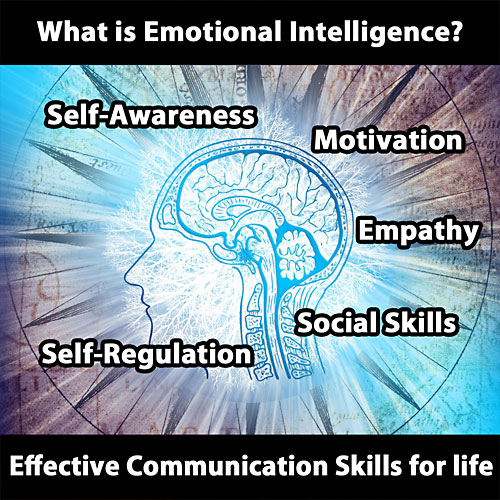
Empathy means trying to understand another person’s perspective rather than focusing entirely on proving your own point.
You don’t have to agree with someone to understand them.
When people feel heard and respected, they’re often more willing to communicate openly.
Take Responsibility for Your Interpretation
Not every misunderstanding comes from what someone said.
Sometimes the problem is how you interpreted the message.
Recognizing this doesn’t mean accepting blame for everything.
It means being willing to check your interpretation before reacting.
Make Communication Reciprocal
Healthy communication works both ways.
One person speaks.
The other listens.
Then the roles can change.
When both people can express themselves and feel understood, conversations become more cooperative and productive.
Be Honest, Consistent, and Clear
Trust is difficult to build when people withhold important information or messages keep changing.
Honesty and consistency make communication easier to understand.
Simple, direct language also makes important information easier to remember.
What Gets in the Way of Good Communication?
Even when you know what good communication looks like, everyday barriers can get in the way.
Common problems include:
- Poor listening habits
- Divided attention and distractions
- Resistance to different opinions
- Overcomplicated language
- Fear of being judged
- Low confidence
- Sensitivity to criticism
- Fear of embarrassment
- Speaking too quickly
- Responding before fully understanding
The first step is to recognize which habits affect your conversations.
- Then work on one at a time.
- Slow down.
- Stay present.
- Ask questions.
- Listen before responding.
Small changes can make conversations noticeably different over time.
Turn Better Communication Into a Daily Habit
You don’t need to wait for an important conversation to practice.
Start with ordinary interactions.
When someone is speaking, give them your full attention.
When something is unclear, ask instead of assuming.
Before responding to criticism, pause and make sure you understand what was actually said.
Before explaining an important idea, identify your main point.
Before a difficult conversation, decide what outcome you want.
These small actions turn communication from something you think about occasionally into a skill you practice every day.

Your Next Conversation Is an Opportunity to Improve
Better communication starts with a simple shift.
Stop focusing only on what you want to say and start paying equal attention to what the other person needs to understand.
- Speak clearly.
- Listen carefully.
- Ask instead of assuming.
- Give people space to respond.
- Pay attention to tone and emotion.
- When misunderstandings happen, use them as opportunities to improve, not reasons to become defensive.
- You don’t need perfect communication.
- You need better communication habits, practiced consistently.
Your next conversation is another opportunity to put them into practice.
FAQs about Improving Communication Skills
What are communication skills?
Communication skills are the abilities we use to express ideas clearly and understand other people through speaking, listening, writing, reading, tone and nonverbal communication.
Good communication involves both sending a message and making sure its meaning is understood.
How Can I Improve My Communication Skills?
Start by listening without planning your response, asking questions when something is unclear, speaking simply and paying attention to your tone.
Avoid assumptions and give other people enough space to explain their thoughts.
Practising these habits during everyday conversations can gradually improve your communication.
What Is Active Listening?
Active listening means giving someone your full attention and focusing on understanding what they mean rather than preparing your reply.
You can demonstrate active listening by asking clarifying questions, reflecting on what you've heard and paraphrasing important points.
Why Are Communication Skills Important?
Good communication can make it easier to express ideas, build relationships, collaborate with others and work through disagreements.
It can also reduce unnecessary confusion when people take the time to listen and clarify what they mean.
How Can Communication Skills Help With Conflict?
Clear and respectful communication gives people an opportunity to explain their concerns without unnecessary blame.
Listening to different perspectives can uncover the issue underneath a disagreement and make it easier to work towards a practical solution.
Good communication doesn't mean avoiding disagreement.
It means handling disagreement without allowing misunderstanding to make the situation worse.
How Do Assumptions Affect Communication?
Assumptions can cause people to interpret a message according to their expectations rather than what was actually said.
Asking questions and checking your understanding can help prevent assumptions from turning into unnecessary conflict.
Sponsored Insight |
Celebrate who you are and embark on an exciting journey. Embrace these strategies with joy for a brighter, happier life!
Keep exploring, keep growing, and revel in the radiant potential of your mind.