Learning Communication Skills Helps People Improve Results
How to Communicate More Clearly and Effectively
The essential skills for forming meaningful connections include effective communication, problem-solving, and navigating everyday situations.
These skills help empower us to engage with others, find solutions, and enhance our overall quality of life.
Stepping into a new mindset of expressing ideas clearly and listening with understanding, whether at home, at work, or in the community, significantly helps build trust and reduce conflict.
At its core, communication is the exchange of information through speaking, listening, writing, and reading.
Effective communication ensures your message is understood as intended—without unnecessary confusion, tension, or misunderstanding.
This guide explains what communication skills are, why they matter, and how you can strengthen them in practical, realistic ways.
What Are Communication Skills?
Communication skills are the ability to clearly convey and receive information using language, tone, body awareness, and active listening. They involve not only what is said, but how it is said—and how well it is received.
Strong communication skills help people:
- Share ideas with clarity
- Build meaningful relationships
- Navigate disagreements calmly
- Collaborate more effectively
Effective communication involves a dynamic exchange of thoughts and perceptions.
It encompasses not only clearly expressing your own ideas but also actively listening to and understanding others’ perspectives.

Why Communication Skills Matter in Conflict and Negotiation
Strong communication skills are vital for effectively managing conflict and fostering positive outcomes.
By carefully considering how we convey our messages, we can either ease tensions or create a more challenging environment. Focusing on clear and constructive communication can lead to more fruitful discussions and resolutions.
Clear, respectful communication allows individuals to express needs without blame, while active listening helps uncover underlying concerns. When both sides feel heard, negotiation becomes more balanced, and solutions are easier to reach.
Strong communication does not eliminate disagreement—but it reduces misunderstanding and defensiveness.
How Attitudes and Hidden Agendas Affect Communication
Preconceived attitudes, assumptions, or unspoken agendas can distort communication. When people enter conversations with fixed expectations, they may listen selectively or interpret messages defensively.
Effective communication necessitates openness. Approaching conversations with curiosity rather than judgment fosters an environment where both parties feel safe speaking honestly.
Effective communication flourishes when responsibility is collectively embraced. Both speakers and listeners significantly shape the interpretation of messages, underscoring the importance of collaboration in conveying ideas.
How to Improve Your Communication Skills: 10 Practical Tips
Improving communication does not require perfection—only awareness and practice. The following tips focus on habits that strengthen clarity and understanding.
- Be a good listener without planning your response.
- Practise active listening by reflecting and clarifying what you hear.
- Speak with confidence while remaining respectful.
- Use an appropriate tone and volume for the situation.
- Clarify your message before speaking.
- Offer feedback constructively, not critically.
- Encourage others to share by asking open-ended questions.
- Avoid interrupting or finishing others’ sentences.
- Ask for clarification instead of making assumptions.
- Use humour thoughtfully to ease tension when appropriate.
Core Principles for Effective Communication
Communicate With Intention
Good communication begins with purpose. Before speaking, consider your audience, your intention, and the outcome you want to achieve. Clear intent improves message clarity and impact.
Practise Empathy and Compassion
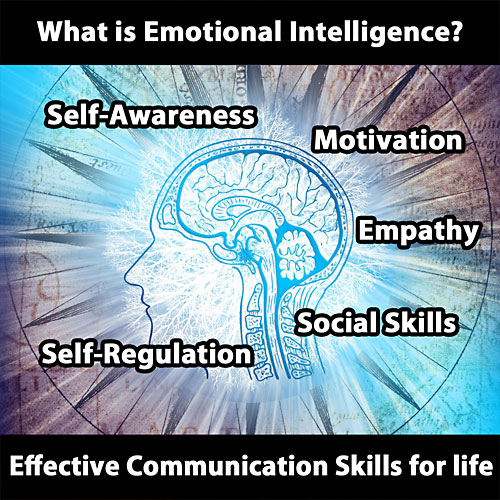
Empathy strengthens communication by shifting the focus from being right to being understood when you listen for meaning—not just words—you build trust and reduce defensiveness.
Compassion also helps recognize emotional needs such as certainty, validation, or respect.
Develop Strong Listening Skills
Listening is a crucial and often underestimated aspect of effective communication. It’s essential to prioritize listening over speaking.
By quieting your internal dialogue, you can gain a deeper understanding of others and strengthen your connections.
Taking Responsibility for Perception
Communication improves when individuals take responsibility for how they interpret messages—while allowing others to do the same.
Misunderstandings often arise from assumptions rather than facts.
Respecting boundaries and acknowledging differences in perspective helps prevent unnecessary conflict and miscommunication.
The Reciprocity Effect in Communication
Healthy communication is reciprocal. Each person deserves space to express themselves and feel understood.
When listening and speaking are balanced, conversations become more productive and cooperative.
This mutual exchange supports trust, clarity, and fair outcomes in both personal and professional interactions.
Honesty, Consistency, and Clarity
Clear communication relies on honesty. Withholding key information or distorting facts weakens trust and reduces effectiveness.
Consistency in tone and message also matters.
As people and circumstances change, regular communication helps relationships adapt and grow.
Using simple, direct language makes messages easier to understand and remember.
Problem-Solving Using Humour and Thoughtful Insights
Humour can ease tension and build rapport when used appropriately. Sensitivity to timing and context is essential.
Many conversations involve problem-solving. Effective problem-solving communication combines listening, empathy, and curiosity.
Offering alternative perspectives can help others see new solutions without feeling criticized.
The Importance of Listening and Responding Effectively
Listening is more than hearing words—it involves understanding intent, emotion, and perspective before responding.
Effective responses consider both content and context. This approach improves connection and reduces reactive communication.
Common Challenges That Affect Communication Skills
Several common barriers can interfere with effective communication:
- Poor listening habits
- Resistance to differing opinions
- Distraction or divided attention
- Limited vocabulary or overcomplicated language
- Low self-esteem or fear of judgment
- Imposter syndrome
- Sensitivity to criticism
- Fear of embarrassment
- Speaking too quickly or without pauses
Slowing down, asking questions, and remaining present can reduce many of these challenges.
Final Thoughts: Building Better Communication Over Time
Communication skills develop through awareness, practice, and reflection. No conversation is perfect—but each interaction offers an opportunity to improve understanding.
By listening with intention, speaking with clarity, and responding with empathy, communication becomes a tool for connection rather than conflict.
What are communication skills?
Communication skills are the ability to transfer information to others by speaking, writing, reading and listening.
Communication is a necessary part of our daily life and requires us to know how to use language in ways that will make others understand our message.
How do communication skills affect negotiation and conflict resolution outcomes?
Communication skills are essential to develop and nurture within all facets of life to maintain relationships and even solve conflicts.
Communication skills are a tool that you can use to help create or diffuse situations, for good or for ill.
Communication skills are integral to the success of any negotiations. However, many people find it challenging to feel confident when communicating with others if there are preconceived notions of hidden agendas.
It is important to remember that communication is a two-way street and that both parties should be approachable and open-minded to create a positive experience.
Sponsored Insight |
Celebrate who you are and embark on an exciting journey. Embrace these strategies with joy for a brighter, happier life!
Keep exploring, keep growing, and revel in the radiant potential of your mind.