The Complete Handbook To Vegetarian and Vegan Diets
A clear, practical guide to plant-based living — without confusion, extremes, or nutritional guesswork
Thinking about cutting back on meat, but worried about doing it wrong?
You’re not alone.
More people than ever are questioning what they eat — not because it’s trendy, but because something doesn’t feel right anymore.
- Energy crashes
- Rising cholesterol or blood pressure
- Conflicting diet advice
- Concerns about sustainability and animal welfare
- Or simply the feeling that your current diet isn’t supporting your long-term health
Yet when you start researching vegetarian or vegan diets, you quickly hit a wall. One expert says go vegan overnight. Another warns you’ll become nutrient-deficient. Social media pushes extremes.
And suddenly, a “healthier lifestyle” feels overwhelming.
That confusion is exactly why most people quit before they even begin.
The real problem with plant-based diets isn’t the food — it’s the lack of clear guidance.
Most people don’t fail at vegetarian or vegan living because it “doesn’t work.”
They fail because:
- They don’t understand the different types of vegetarian diets
- They don’t know how to replace nutrients safely
- They underestimate how much planning matters early on
- Or they try to follow rigid rules instead of common-sense principles
That leads to fatigue, cravings, and frustration —and eventually a return to old habits.
A smarter, balanced approach to vegetarian and vegan living
The Real Long-Term Benefits of Vegetarian and Vegan Diets for Active, Healthy Living
A vegetarian or vegan diet isn’t about restriction — it’s about food quality, nutrient density, and long-term sustainability.
When done properly, plant-based eating supports active, healthy living well into later life, largely because it naturally reduces exposure to many of the dietary factors linked to chronic illness and premature ageing.
1. Naturally lower intake of trans fats and harmful additives
One of the biggest hidden benefits of a well-structured vegetarian or vegan diet is what you avoid without trying.
Whole-food plant-based eating typically reduces:
- Industrial trans fats
- Artificial preservatives
- Emulsifiers and stabilisers
- Excess sodium and refined oils
- Chemical flavour enhancers are common in ultra-processed foods
These variables of modern processed food are often strongly associated with:
- Chronic inflammation
- Cardiovascular disease
- Insulin resistance
- Digestive issues
- Accelerated metabolic ageing
By focusing on vegetables, legumes, whole grains, nuts, seeds, and fruits, your diet becomes simpler, cleaner, and easier for the body to process.
2. Better energy, mobility, and recovery as you age
Plant-based diets are naturally rich in:
- Antioxidants
- Anti-inflammatory compounds
- Fibre
- Phytonutrients
These nutrients support:
- Joint health
- Muscle recovery
- Circulation
- Cognitive function
- Gut health (which affects energy and immunity)
Many people notice more stable energy levels with improved digestion when consuming less highly processed foods — not because they “went vegan,” but because they stopped overwhelming their bodies with low-quality ingredients.
3. Weight stability without extreme dieting
Unlike restrictive diets, vegetarian and vegan eating — when based on whole foods — encourages:
- Higher food volume with fewer calories
- Improved satiety from fibre
- Better blood sugar regulation
These benefits make it easier to maintain a healthy weight without constant calorie obsession, which is key for long-term adherence.
4. Supporting long-term heart and metabolic health
Avoiding trans fats and heavily processed foods helps support:
- Healthier cholesterol levels
- Better blood pressure control
- Reduced strain on the cardiovascular system
When combined with regular physical activity, plant-based diets can support active living well into older age, rather than short-term weight loss followed by rebound.
5. The difference between “plant-based” and “processed vegan”
This guide makes a critical distinction many diets ignore: A vegetarian or vegan label does not automatically mean healthy.
Ultra-processed vegan foods can still contain:
- Refined sugars
- Hydrogenated oils
- Additives
- Excess salt
That’s why this handbook focuses on food choices, not food labels — helping readers build a way of eating that supports long-term vitality, not just ideology.
The Complete Handbook to Vegetarian and Vegan Diets – a guide written to remove confusion and replace it with clarity, finally.
This guide is not an ideology-driven book.
It’s a practical, evidence-based handbook designed to help real people make informed decisions about plant-based eating — whether that means reducing meat intake, going vegetarian, or transitioning to a fully vegan lifestyle.
Instead of telling you what to believe, it shows you:
- How different vegetarian diets actually work
- Why people choose them (health, ethics, environment, or flexibility)
- What nutrients matter most — and how to avoid deficiencies
- How to build meals that are realistic, affordable, and sustainable long-term
What you’ll learn inside (and why it matters)
1. The different types of vegetarian and vegan diets — clearly explained
Not all plant-based diets are the same.
You’ll understand:
- Vegan
- Lacto-vegetarian
- Ovo-vegetarian
- Lacto-ovo
- Pescatarian
- Pollotarian
- Flexitarian
So you can choose what fits your body, lifestyle, and values — not someone else’s rules.
2. Why people stop eating meat (and what science actually supports)
This guide explores:
- Health-based motivations (heart health, obesity, diabetes)
- Environmental impact of animal agriculture
- Ethical and animal welfare considerations
- Hormones, antibiotics, and food quality concerns
All explained in plain English — without fear-based messaging.
3. The real health benefits of vegetarian and vegan diets
Including how plant-based eating supports:
- Heart health
- Cholesterol and blood pressure balance
- Weight management
- Blood sugar control
- Reduced inflammation
- Long-term disease risk reduction
With a focus on what actually makes a diet healthy, not just removing meat.
4. Nutrient deficiencies — and how to prevent them properly
This insight is where most guides fall short.
You’ll learn how to manage:
- Protein intake
- Omega-3 fatty acids
- Vitamin B12
- Iron
- Calcium and Vitamin D
- Zinc
So you can eat confidently — not anxiously.
5. What you can eat (instead of focusing on restrictions)
Including:
- Plant-based protein sources
- Whole-food meal building
- Balanced plates
- Smart substitutions for favourite meals
This mindset change makes the transition feel possible rather than restrictive.
6. Vegetarian and vegan living for real life
The book also covers:
- Raising vegetarian or vegan children responsibly
- Packing nutritious lunches
- Eating well on a busy schedule
- Dining out and social situations
- Do’s and don’ts that prevent common beginner mistakes
Who this handbook is for
This eBook is ideal if you:
- Are curious about vegetarian or vegan diets but want facts, not hype
- Want to reduce meat intake safely and sustainably
- Care about long-term health, not short-term dieting
- Prefer practical guidance over extreme rules
- Want to make informed food choices for yourself or your family
Who this book is NOT for
This book may not be the right fit if you:
- Want a rigid, all-or-nothing diet philosophy
- You are looking for quick-fix weight loss promises
- Believe one eating style works for everyone
- Prefer influencer trends over nutritional fundamentals
Is a vegetarian diet healthy long-term?
Yes — when it’s properly planned and based on whole foods. Long-term health benefits depend on adequate intake of protein, vitamin B12, iron, omega-3 fatty acids, and calcium.
A well-structured vegetarian diet can support heart health, weight management, energy levels, and active living over time.
Is a vegan diet safe for long-term health?
A vegan diet can be safe and healthy in the long term if planning to address nutritional gaps. Vitamin B12 supplementation, attention to protein quality, and inclusion of whole foods are essential.
This eBook explains how to avoid common deficiencies while maintaining balance and flexibility.
Do vegetarian and vegan diets help reduce processed food intake?
Yes — especially when focused on whole foods. Many people naturally reduce their intake of trans fats, artificial additives, and refined oils when shifting toward plant-based meals. However, processed vegan foods can still be unhealthy, which is why food quality matters more than labels.
Can you stay active and build strength on a vegetarian or vegan diet?
Yes. Adequate protein intake from legumes, soy, nuts, seeds, and whole grains supports muscle maintenance and recovery. Combined with regular movement, plant-based diets can support strength, endurance, and mobility at any age.
Are vegetarian diets better for heart health?
Research consistently shows that diets rich in plant foods and low in trans fats and ultra-processed ingredients support cardiovascular health. Whole-food vegetarian diets are associated with healthier cholesterol levels and improved blood pressure management.
Is this eBook suitable for beginners?
Yes. This handbook is for people who are curious, cautious, or transitioning gradually. It explains diet types, risks, benefits, and practical steps clearly — without extreme rules or assumptions.
Bonus: Over 300 vegetable-based recipes included
You’ll also receive:
Delicious Vegetable Dishes
- Over 300 plant-forward recipes
- Practical, everyday meal ideas
- $25 value — included
This comprehensive resource removes the biggest friction point: “What do I actually cook?”
Formats & access
- ePub
- MOBI
- AZW3
Instant digital access across devices.
Start your journey with clarity, not confusion.
You don’t need to overhaul your life overnight. You don’t need to follow extremes. And you don’t need to guess your way into better health.
The Complete Handbook To Vegetarian and Vegan Diets gives you the knowledge to decide — and the confidence to follow through.
Price: $17.00
A small investment for clearer choices, better nutrition, and a more sustainable way of eating.
- Introduction
- What Is A Vegetarian Diet
- Foods Omitted From A Vegetarian
- Vegetarianism In America
- Types Of Vegetarian Diets
- Vegan Diet
- Lacto Vegetarian Diet
- Ovo Vegetarian Diet
- Lacto-Ovo Vegetarian Diet
- Pescatarian Vegetarian
- Pollotarian Vegetarian
- Flexitarian Vegetarian
- Reasons People Stop Eating Meat
- Health Benefits
- Religion
- Environmental Reasons
- Ethical Reasons
- The Animal Rights Viewpoint
- Avoiding Growth Hormones From Meat
- Save Money
- Humans Are By Nature Vegetarians
- Health Benefits Of Vegan And Vegetarian Diets
- Protection Against Cancer
- Obesity And Cancer
- Plant Foods And Antioxidants
- Heart Disease
- Obesity And Heart Disease
- Plant Foods For Heart Health
- Type 2 Diabetes
- Obesity
- Plant Diets And Fiber
- Protection Against Cancer
- Risks Of Nutrient Deficiency
- Protein
- Omega-3 Fatty Acids
- Vitamin B12
- Calcium And Vitamin D
- Iron
- Zinc
- Bottom Line
- What You Can Eat On A Vegetarian Diet
- Raising Vegetarian/Vegan Children
- The Power Of The Lunch Box
- 24 Tips For Getting Started With A Meatless Diet
- Substitutions For Meat In Your Favorite Dishes
- Dos And Don'ts Of Vegetarian Diets
- What You Should Do
- What You Should Not Do
- Final Thoughts
- Resources Out Beyond Here
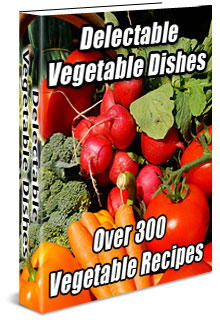
It also includes the eBook
Delicious Vegetable Dishes
Over 300 Vegetable Recipes ($25 value)